Bed Bug Services - Truths
Table of ContentsThe Buzz on Bed Bug ServicesGetting The Bed Bug Services To Work4 Simple Techniques For Bed Bug ServicesTop Guidelines Of Bed Bug ServicesBed Bug Services - TruthsThe Best Strategy To Use For Bed Bug Services
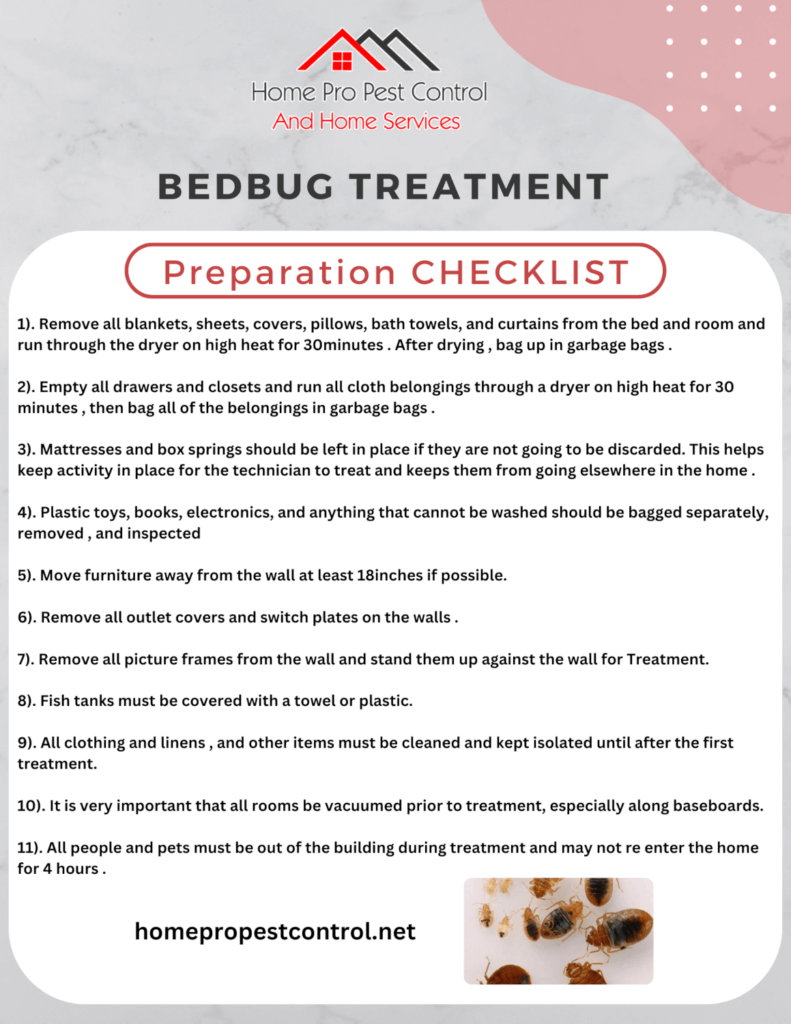
Bed pests are very little and highly intrusive, which indicates they can quickly infest different locations inside your home undiscovered. It's only when the trouble is extreme that you begin to notice the concern. Bed Bug Services. That is why and includes numerous steps, including: Dusting and splashing under baseboards, consisting of the area where the baseboards fulfill the floorThis will add another layer of defense for your inside room to ensure no bed bugs transfer to various other rooms. Experts will have you get rid of any kind of soft items from the plagued areas to toss in the clothes dryer on high heat for 30 minutes to kill any type of continuing to be bed insects on them.
After the therapy, the professionals will. This follow-up see entails thoroughly evaluating and checking the treated areas again to make certain the infestation has actually been cared for. If the pest control experts see that there are still a few bed insects left, they will reapply the treatment as needed.
The Only Guide to Bed Bug Services
This service involves a thorough inspection of your home and using treatments to infested locations in your interior space. It additionally includes a follow-up inspection after 2 weeks to make sure the invasion is gone.
A professional bed bug inspection is initiated with a complete assessment of the space. Inspectors are trained to identify signs of bed bug activity that most people overlook. The inspection follows a structured approach to ensure reliable detection.
Inspectors first focus on areas where bed bugs are likely to reside. Common locations include seams of furniture, mattress folds, and the undersides of beds. Even less obvious areas like curtain folds, baseboards, picture frames, and electrical outlets can be inspected.
Some Known Incorrect Statements About Bed Bug Services

Visual inspections are usually the first step. Inspectors search for live bugs, molted skins, eggs, and fecal spots. The ability to recognize even faint evidence is critical for early detection.
Technicians may use monitoring devices to enhance detection accuracy. Magnifying tools and inspection mirrors help in examining difficult-to-reach spots. Some companies also utilize sticky traps or interceptor devices to monitor activity over time.

Some inspections involve trained bed bug dogs. These dogs can accurately detect live bed bugs even in densely packed or cluttered areas. Employing dogs ensures more reliable results.
3 Simple Techniques For Bed Bug Services
Proper preparation of the area is a key step in the inspection process. This may involve clearing clutter, removing items Your Domain Name from floors, and separating bedding and laundry. Technicians need access to common bed bug hiding spots for thorough assessment.
Beds and couches are inspected in detail to uncover hidden insects - Bed Bug Services. Cushions and drawers are opened, and furniture is shifted to reveal possible infestation points. Hidden spaces such as behind outlets, frames, and wall trim are checked
Bed Bug Services Can Be Fun For Everyone
Follow-up inspections ensure no bed bugs remain. Monitoring devices are set to track bed bug activity over time. Household members may assist by tracking potential pest activity. Ongoing monitoring and cooperation improve treatment outcomes.
Professional bed bug inspections are especially important in high-risk environments. These settings can facilitate rapid spread of visit this website bed bugs, making early detection crucial. A full-property inspection ensures no areas are overlooked.
Finally, inspectors provide clients with detailed recommendations based on their findings. This may include treatment options, preventive measures, and ongoing monitoring. Adhering to expert guidance improves results.
The Ultimate Guide To Bed Bug Services
The process includes assessing the environment, examining potential hiding spots, employing detection methods, tracking activity, documenting findings, and providing a treatment plan. These steps ensure accurate detection, early intervention, and effective management. Professional inspections provide accurate assessment and a pathway to resolving infestations.